Why Does Melasma Keep Coming Back? Understanding the Root Causes of Pigmentation


Melasma is one of the most common and frustrating pigmentation concerns we see at Cemo Laser Clinic. Many people notice improvement after treatment, only to find that the pigmentation gradually returns months later.
The good news is that melasma can often be successfully managed. The key is understanding why it develops and what factors contribute to its recurrence.
What Is Melasma?
Melasma is a chronic pigmentation condition that causes brown, grey-brown, or patchy areas of discoloration on the skin. It most commonly appears on the:
Cheeks
Forehead
Upper lip
Chin
Melasma occurs when pigment-producing cells (melanocytes) become overactive and produce excess melanin.
Unlike freckles or sunspots, melasma is often influenced by multiple internal and external factors, making it more complex to treat.
Why Does Melasma Keep Returning?
Many people believe that once pigmentation fades, the problem has been permanently solved. Unfortunately, melasma behaves differently.
Sun Exposure
Ultraviolet (UV) radiation is one of the strongest triggers for melasma. Even brief daily exposure can stimulate pigment production and contribute to recurrence.
Daily sunscreen use is essential, even on cloudy days.
Heat Exposure
Many people are surprised to learn that heat can worsen melasma. Sources of heat may include:
Direct sunlight
Hot environments
Saunas
Intense exercise
Cooking near heat sources
Heat can stimulate melanocyte activity and contribute to ongoing pigmentation.
Hormonal Influences
Hormonal changes are strongly associated with melasma. Common triggers include:
Pregnancy
Oral contraceptive pills
Hormone replacement therapy
Hormonal fluctuations
This is why melasma is often more common in women.
Skin Inflammation
Inflammation can stimulate pigment production. Overly aggressive treatments, incorrect skincare products, or chronic skin irritation may contribute to pigmentation concerns.
Protecting and maintaining a healthy skin barrier is an important part of long-term pigmentation management.
Can Laser Treatments Help?
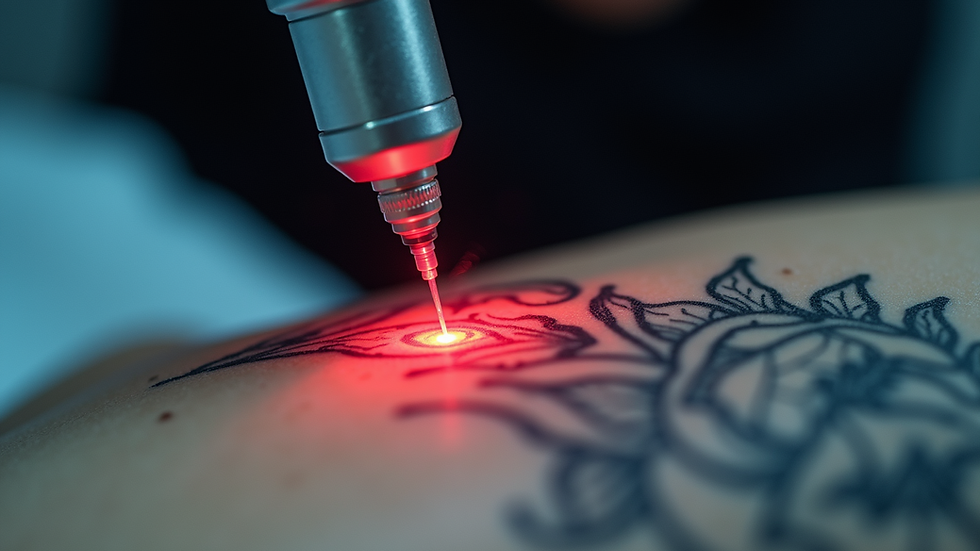
Professional treatments can help reduce visible pigmentation and improve skin clarity.
Depending on the individual's skin condition, treatment options may include:
IPL (Intense Pulsed Light)
Q-Switch Laser
Professional Skin Rejuvenation Treatments
Targeted Pigmentation Programs
However, successful treatment involves more than a single procedure. Melasma management typically requires a combination of professional treatments, home care, and ongoing maintenance.
Why Home Care Matters
Professional treatments are only one part of the journey.
Long-term pigmentation management often includes:
Daily broad-spectrum sunscreen
Appropriate skincare products
Skin barrier support
Consistent maintenance
Clients who maintain a good home care routine generally achieve more stable long-term results.
When Should You Seek Professional Advice?
If you have persistent pigmentation, recurring melasma, or uneven skin tone, a professional skin assessment can help identify contributing factors and determine the most suitable treatment options for your skin.
At Cemo Laser Clinic, we focus on personalized skin assessment and long-term skin management, helping clients understand their skin and make informed treatment decisions.
Frequently Asked Questions
Can melasma be permanently removed?
Melasma is generally considered a chronic condition. While significant improvement is often possible, ongoing management may be required to maintain results.
Does melasma return after laser treatment?
Melasma can return if underlying triggers such as UV exposure, heat, hormones, or inflammation are not properly managed.
What is the best treatment for melasma?
Treatment varies depending on the individual. A professional skin consultation can help determine the most appropriate approach based on your skin condition and goals.
Is sunscreen really necessary?
Yes. Daily sunscreen use is one of the most important steps in managing melasma and preventing recurrence.
Start With a Professional Skin Consultation
Every skin is unique. Understanding the cause of your pigmentation is the first step toward achieving healthier, clearer-looking skin.
Book a Skin Consultation & Assessment with Cemo Laser Clinic to receive a personalized treatment plan tailored to your skin concerns.


Comments